


By Brian Sommer
Read the full article here
There is something refreshingly honest about a golf course that does not pretend to be Augusta National Golf Club with a homeowners’ association attached.
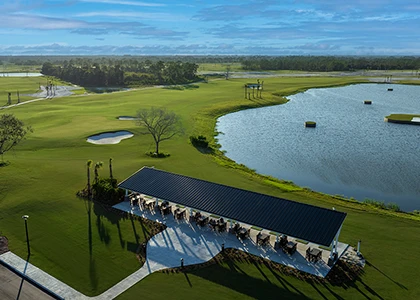
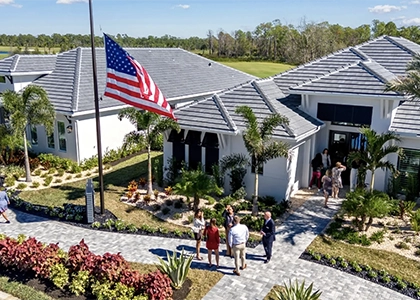
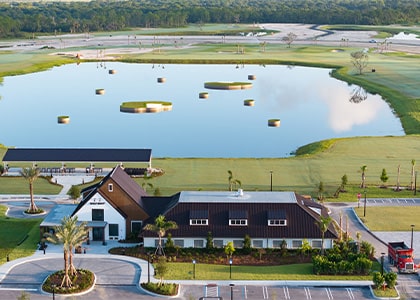
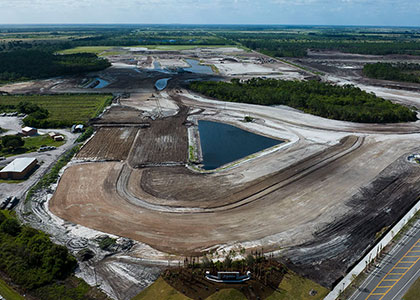
At Glynlea Country Club, in Port St. Lucie, FL., where Jim Furyk created his first “signature” golf design, this alone distinguishes the project from the sprawling cemetery of celebrity-branded developments littering the American landscape.
The result is something increasingly rare in contemporary golf architecture – a course that remembers golf is supposed to be enjoyable.
Glynlea, which can be stretched to 7,000 yards (par 72), is several intellectual tax brackets above much of modern golf construction, where developers appear convinced that the average golfer secretly longs to spend six hours being waterboarded by forced carries, geometric bunkering, and punitive rough designed by men who confuse suffering with sophistication.
Too many modern courses are built less for human recreation than for aerial drone footage, luxury real-estate brochures, and the emotional insecurities of executives who believe a golf course should function as a hostile environmental audit. One leaves not exhilarated but processed.
Glynlea avoids much of this nonsense.
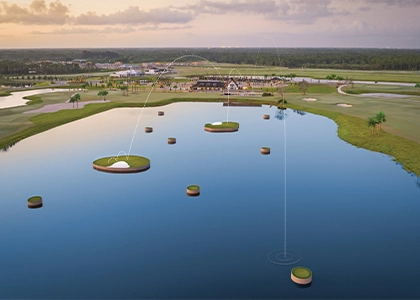
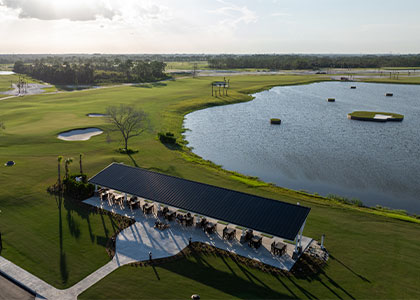
The routing itself immediately signals a willingness to reject formulaic monotony. Rather than the standard arrangement of four par-3s and four par-5s, golf’s version of suburban zoning regulation the course features five par-3s and five par-5s, creating an unusual rhythm that continuously alters pacing, psychology, and decision-making throughout the round.
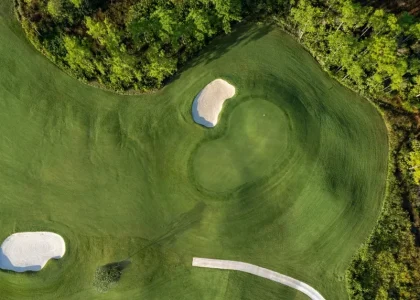
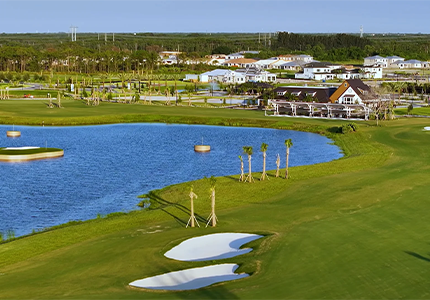
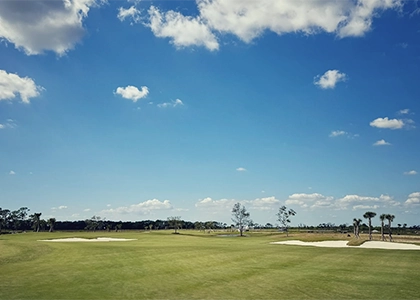
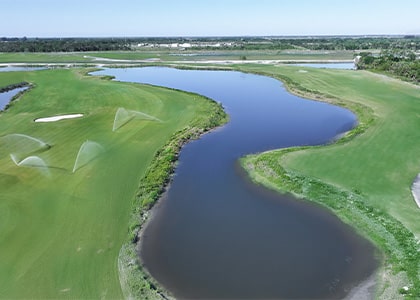
The course possesses movement. It possesses variation. Most importantly, it possesses curiosity and, in a development that may surprise portions of the modern golf industry, enjoyment. The fairways are generous, a feature that should not require praise, yet in the modern age of “championship” vanity architecture, increasingly does. One can actually swing a driver without feeling as though the course architect harbors unresolved personal resentment toward recreational golfers.
The turf itself is firm and delightfully bouncy, encouraging the ground game in a manner far too uncommon in modern American golf, where irrigation systems are often deployed with the enthusiasm of agricultural planners attempting to reverse a drought. The ball runs. It releases. It reacts. One senses interaction with terrain rather than impact into sponge cake.
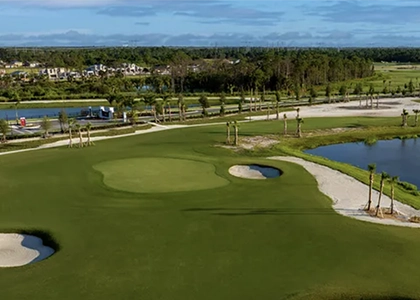
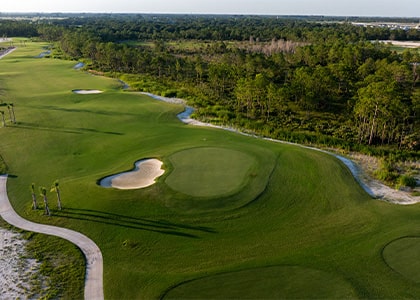
And the greens possess genuine contour and movement not clownish severity, but intelligent undulation. Putts require imagination rather than merely obedience. One finds oneself studying slopes, angles, and pace instead of simply surviving architectural sadism.
In short, the course asks questions instead of issuing punishments. This distinction matters enormously. Because golf architecture real golf architecture is not merely the arrangement of bunkers and irrigation pipes. It is the construction of decisions. It is psychological engineering conducted through landscape.
Read the full article from the source