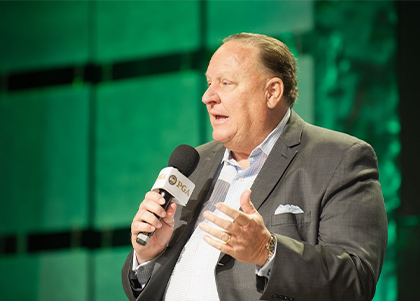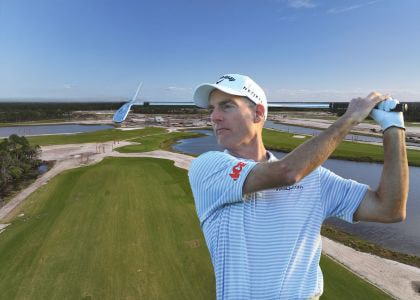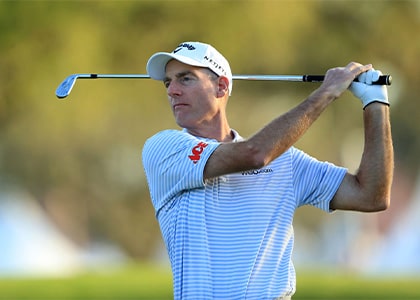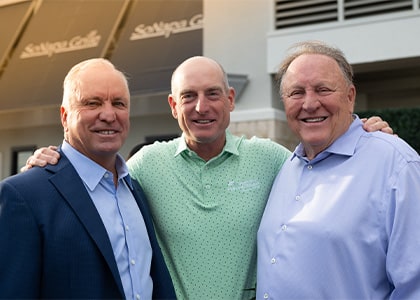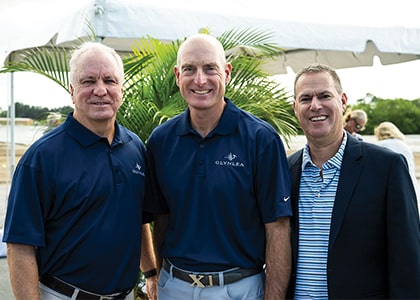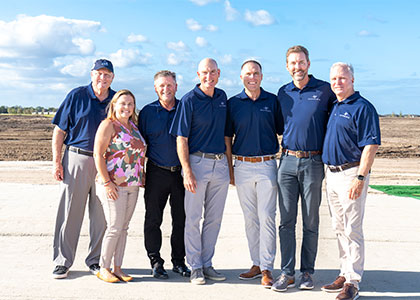

Just days after being named Captain of the United States Ryder Cup team, Jim Furyk wasn’t in a studio, a boardroom, or on a national media circuit.
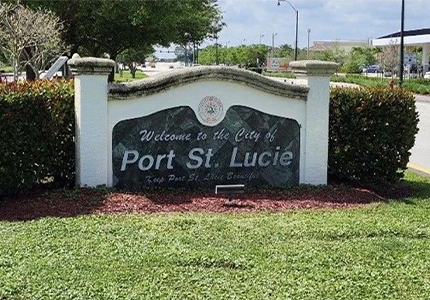
He was walking a fairway in Port St. Lucie.
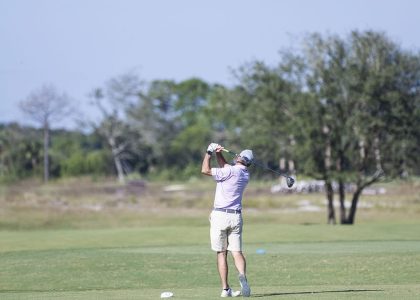
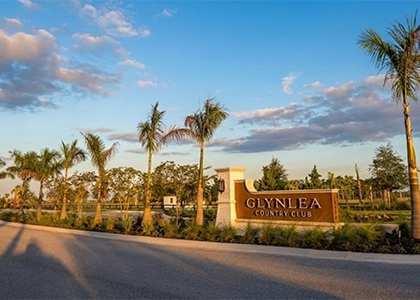
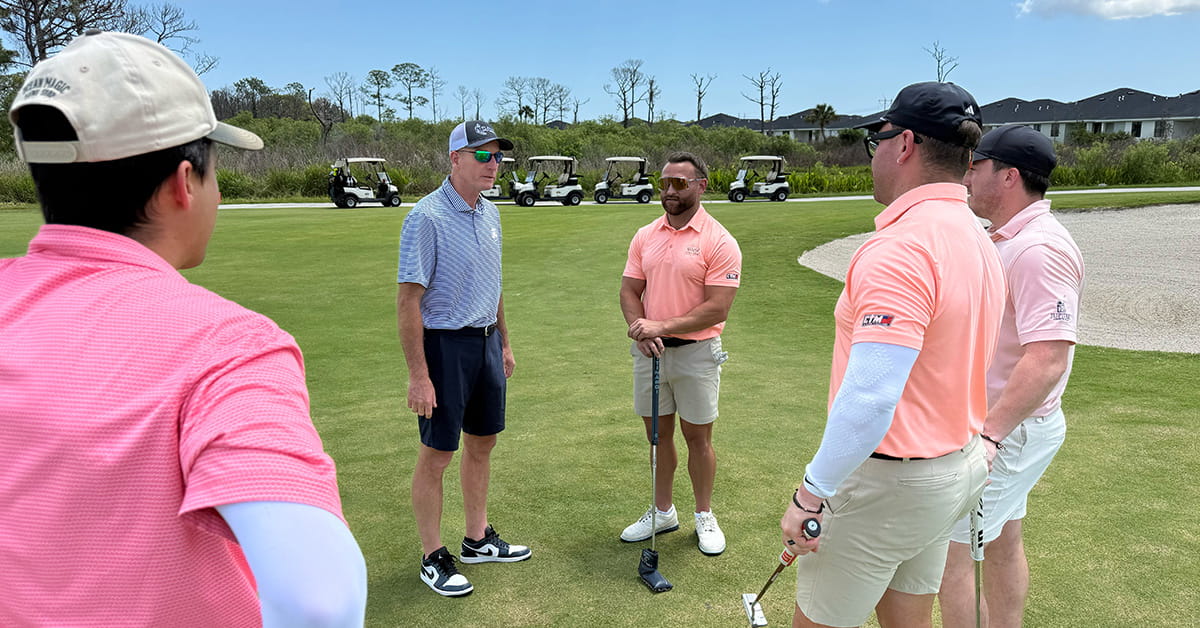
On a warm Saturday morning at Glynlea Country Club, the newly appointed captain moved through the course with quiet familiarity—pausing to watch tee shots, exchanging a few words with players, and taking in the cadence of a place that, in many ways, carries his personal imprint.
This wasn’t a ceremonial visit. It was something more telling. It was presence. This wasn’t a name on a scorecard. It was a designer walking his work.
A Course Meant to Be Lived On
For Furyk, Glynlea represents more than a design credit. It is his first solo signature golf course—a project that reflects not just his experience on tour, but his perspective on how the game should feel for the people who play it every day.
That connection didn’t happen by chance. It was the kind of early alignment that would shape not just a course, but an entire community. Furyk’s involvement began with early conversations with GreenPointe leadership, including Chairman and CEO Ed Burr, about what this course, and community, was meant to be.
“It really started sitting down with Ed Burr and GreenPointe and talking about what type of project this was going to be,” Furyk said. “Tell me about the homes. Tell me about the area. Tell me what we’re trying to create—and for who.”
“I want folks to enjoy themselves and come out here and have a great time,” Furyk said during our conversation, his first interview following the Ryder Cup announcement. That idea—enjoyment, not intimidation—became a guiding principle from the earliest stages of design.
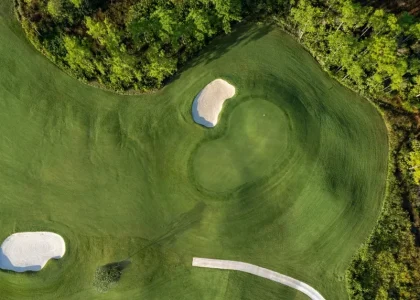
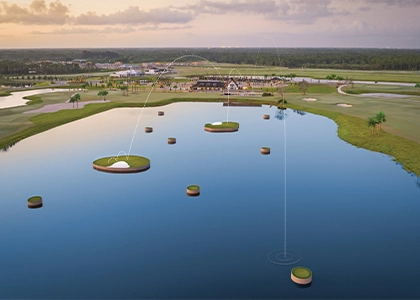
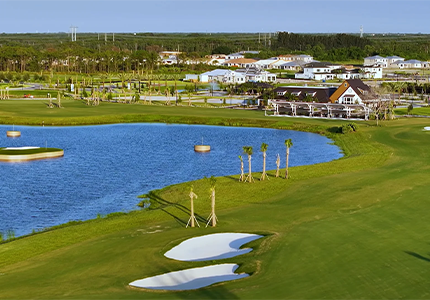
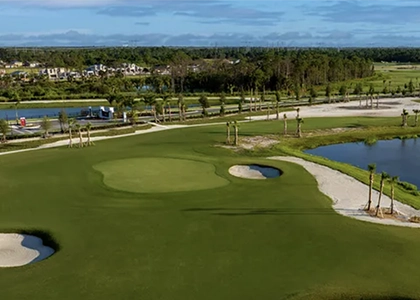
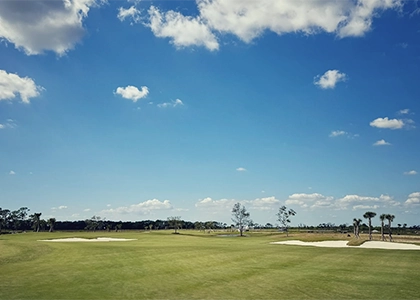
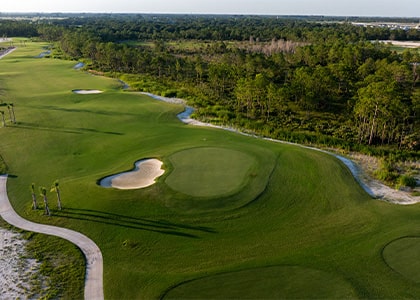
Working alongside veteran architect Mike Beebe, Furyk approached the course with a deliberate goal: create something that rewards skill without excluding the average player. The result is a layout defined by width off the tee, multiple lines of play, and greens that offer both opportunity and consequence.
“It doesn’t have to be 7,400 yards long,” he explained. “We want to make it relatively user-friendly… I want folks to be able to bounce the ball into greens and play the ball on the ground.”
For experienced golfers, the challenge is still there—subtle angles, strategic pin placements, and nuanced green complexes that demand precision. But for everyone else, the course offers something increasingly rare: the ability to play, score, and walk off the 18th green wanting to come back.
From Vision to Reality
As Furyk arrived at Glynlea that morning, the course was alive—players teeing off, carts moving, conversations carrying across fairways. It was exactly what he had hoped to see.
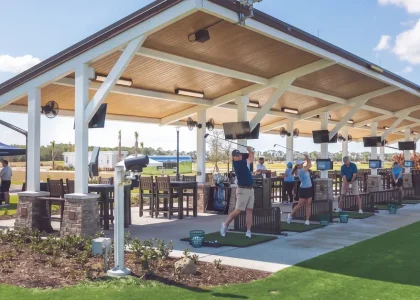
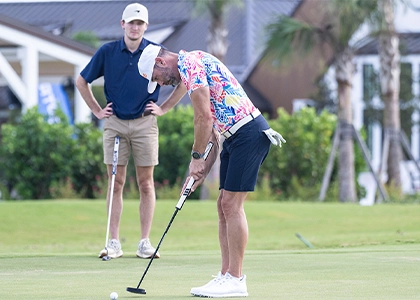
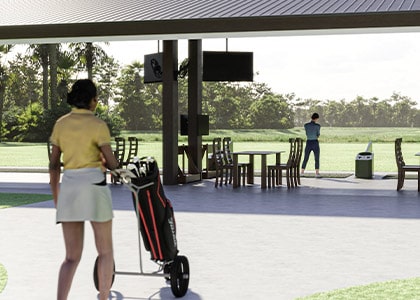
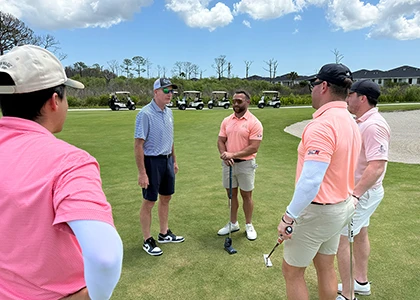
The newly named Ryder Cup Captain moved through the Cooper’s Cure Foundation charitable event, he didn’t stay on the sidelines. He spent time among the players—stopping at the Toptracer range, walking the practice areas, and moving through the course itself, often catching golfers off guard. Conversations were informal and genuine, with Furyk asking players what they were seeing, how the course was playing, and what stood out to them. It wasn’t a staged appearance. It was a designer engaging directly with the people experiencing his work in real time.
“The best compliment that any designer could receive is that folks had a great time playing their course,” he said. “My wife and I are also very involved in children’s charities, and it’s especially meaningful to see the level of support for a cause like this.”
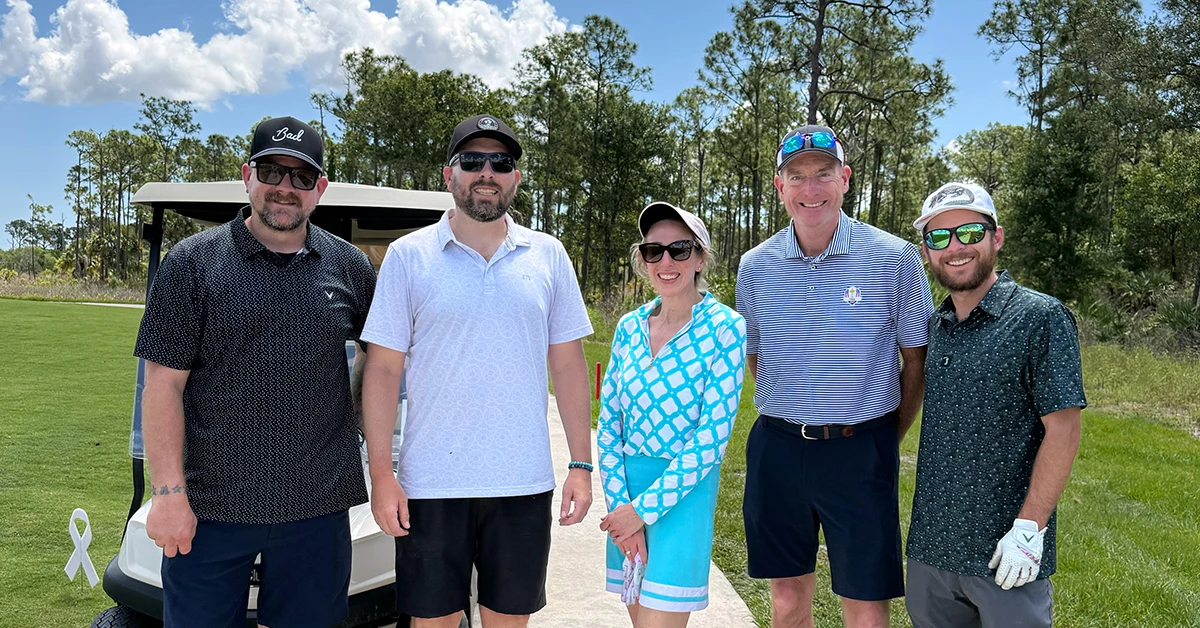
That sentiment has already begun to show itself in the community. Residents and visiting players alike are experiencing the course not as a one-time test, but as something playable, repeatable, and social.
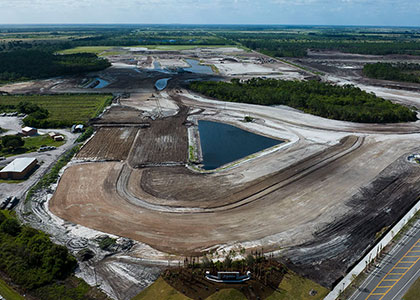
Furyk described the process of building Glynlea as a “labor of love,” one that required translating a two-dimensional vision into a fully realized landscape—shaped not only by strategy, but by the natural character of the land itself.
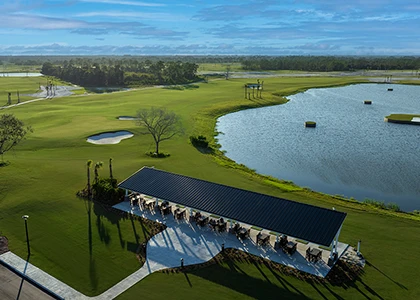
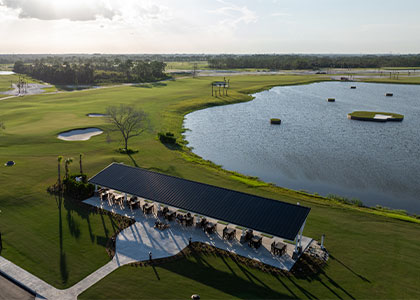
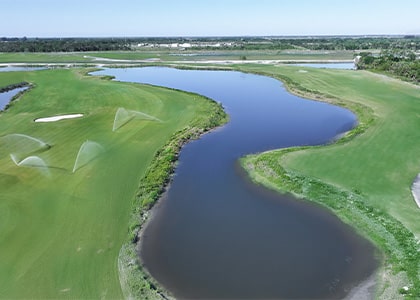
Wetlands, preserved spaces, and wide corridors were intentionally integrated into the routing, creating a sense of openness that stands in contrast to many residential golf environments.
“You don’t want to stare at houses all day,” he noted. “We tried to use the natural beauty of Florida… give both the homeowner and the golfer something better to look at.”

A Different Kind of Challenge
What makes Glynlea distinct isn’t difficulty—it’s decision-making.
On holes like the drivable par-4 sixth, players are asked to choose: lay up and play for position, or take on risk for the chance at birdie. It’s a philosophy Furyk has long appreciated in the game—rewarding thought, not just power.
“I love risk-reward holes,” he said. “Everyone should have an opportunity to make that decision.”
Across the course, that balance appears again and again. Five par 3s. Five par 5s. A routing that avoids repetition and keeps players engaged from the opening hole to the finish.
It’s golf designed not just to challenge—but to hold your attention.
The Ryder Cup, and What Comes Next
While much of the golf world is now focused on Furyk’s role as Ryder Cup Captain—a position he calls “truly an honor”—his approach remains consistent with how he views the game itself.
Process first. Results follow.
“Our job is to put players in position to be successful,” he said, reflecting on the responsibility ahead.
It’s a mindset that mirrors what he’s built at Glynlea Country Club: an environment where players of all levels are given the opportunity to succeed, to enjoy themselves, and to return. That parallel—between global competition and everyday play—is part of what makes his presence here so meaningful.
This isn’t a distant endorsement. It’s active involvement at a moment when his name carries even greater weight in the sport.
What It Means for Glynlea Country Club
In a golf landscape often defined by legacy names and established reputations, Glynlea represents something different. Professionally operated by Hampton Golf, the course delivers a daily experience that feels as intentional and engaging as the design itself.
Jim Furyk didn’t just design this course. He showed up—just days after one of the most significant announcements of his career—to walk it, experience it, and see how people are playing it.
That matters. Because in a game built on tradition, relevance is earned in moments like this.
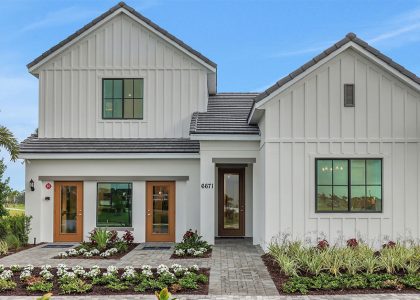
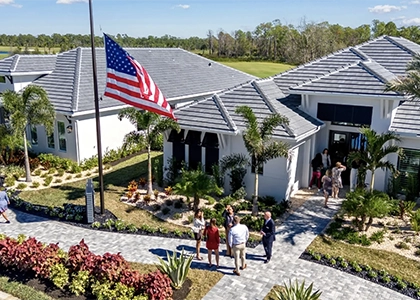
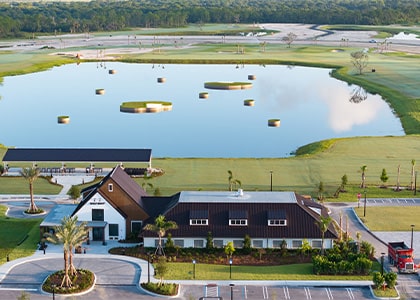
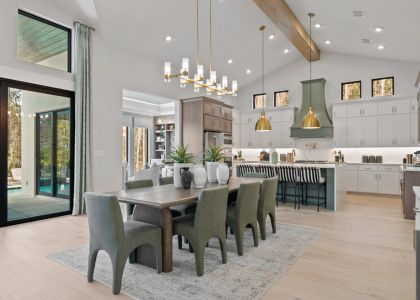
Located within the Wylder master-planned community in Port St. Lucie, Glynlea Country Club is an emerging golf-anchored community centered around Furyk’s first signature course. With homes currently offered from the $400,000s to over $1 million, and membership opportunities available, the community continues to take shape as both a place to play and a place to live.
To experience the course firsthand or learn more about membership and availability, visit GlynleaCountryClub.com online or schedule a round to see it for yourself.